The Psychology Of Online Betting – Why We Love To Gamble
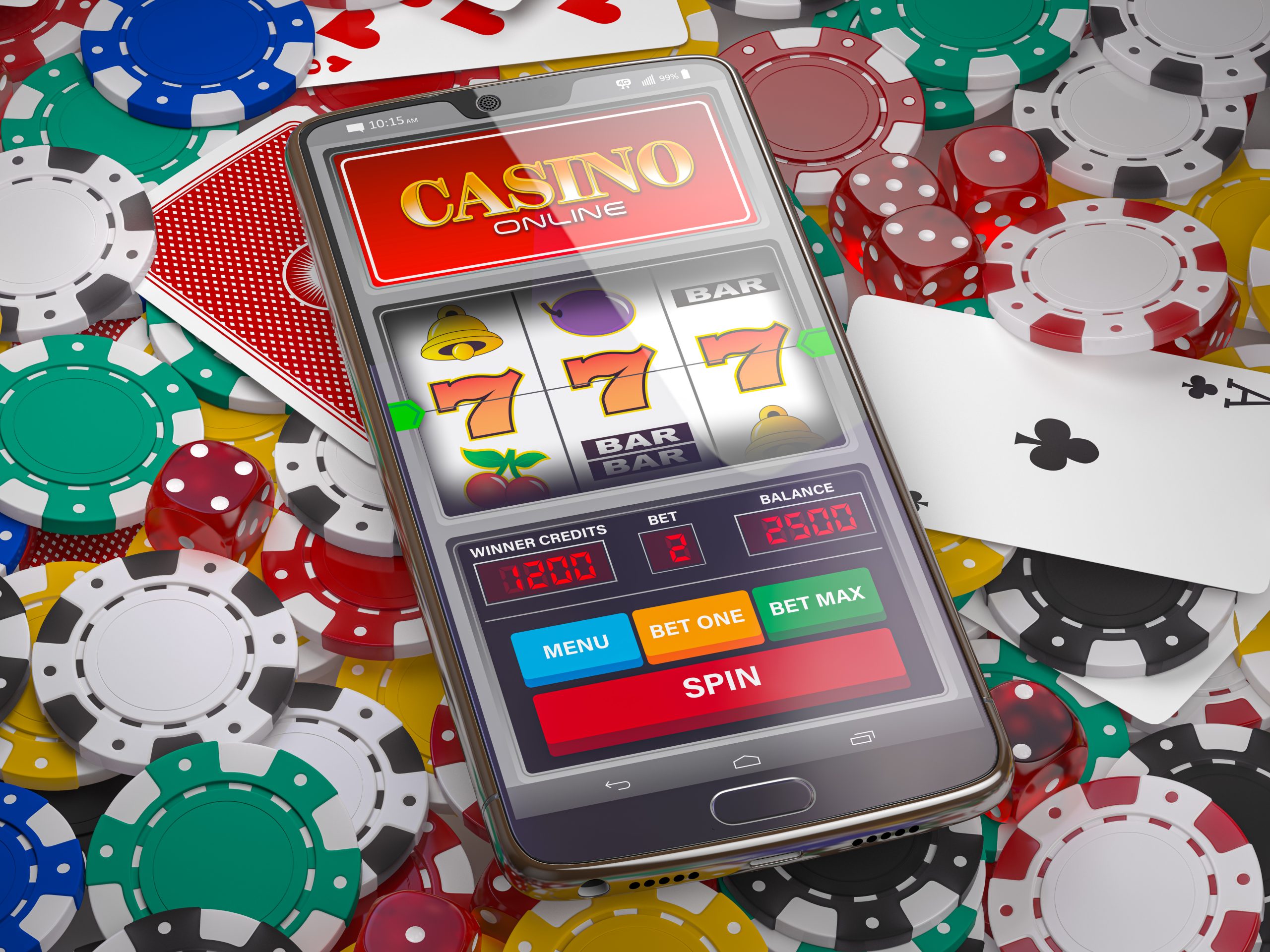
Gambling is one of the oldest human activities — practiced across every culture, every era, and every socioeconomic class that history records. Yet despite its universality, the question of why people gamble — why rational adults willingly and repeatedly engage with activities they know carry negative expected financial returns — remains one of the most fascinating intersections of psychology, neuroscience, economics, and behavioral science available for serious exploration. Online betting has added an entirely new dimension to this question by placing the full spectrum of gambling products within constant reach of a connected device, removing the physical and social friction that previously moderated gambling behavior in ways that research is only now fully beginning to quantify. Understanding the psychological mechanisms that drive gambling behavior — the neurological rewards it triggers, the cognitive distortions it exploits, the emotional needs it meets, and the social dynamics it taps into — is not just academically interesting. It is practically essential knowledge for anyone who gambles, who loves someone who gambles, or who simply wants to understand one of the most psychologically complex and commercially significant forms of human entertainment available today.
The Neuroscience of Reward: What Gambling Does to the Brain
The most fundamental psychological explanation for why gambling is so universally appealing lies not in the conscious reasoning of the individual bettor but in the deep neurological machinery of the reward system — the ancient brain circuitry that evolved to motivate pursuit of survival-relevant resources and that responds to gambling outcomes with an intensity that bypasses rational evaluation entirely.
The brain’s primary reward neurotransmitter, dopamine, is released not just in response to winning outcomes but — crucially — in anticipation of uncertain outcomes. This anticipatory dopamine release is the neurological mechanism most directly responsible for the visceral excitement of watching a race unfold, waiting for a roulette wheel to stop, or watching the symbols align on a spinning slot reel. The uncertainty itself is pleasurable — not just the winning — which explains why gambling retains its appeal through losing sequences that rational calculation alone would long since have made unattractive. The neurological experience of almost winning — a near-miss on a slot machine, a photo finish where a backed horse finishes second by a nose — triggers a dopamine response that research has shown to be neurologically similar to an actual win, reinforcing continued engagement through what should logically be registered as a loss. This near-miss effect is one of the most extensively studied mechanisms in gambling research and one of the most deliberately exploited design features in the development of online gambling products.
The variability of the reward schedule — the pattern by which wins arrive unpredictably among a larger number of losses — is the feature that makes gambling neurologically more compelling than activities with predictable reward outcomes. Fixed-ratio reward schedules, where a reward follows every defined number of actions, produce consistent but relatively moderate engagement. Variable-ratio reward schedules, where rewards arrive after an unpredictable number of actions, produce the most intense and most persistent engagement patterns observed in behavioral research — the same reward structure that makes social media notification checking compulsive, that makes fishing an activity people pursue for hours without a catch, and that makes gambling uniquely resistant to the rational cost-benefit analysis that most financial decisions respond to. Understanding this neurological mechanism does not eliminate its influence — the dopamine system operates faster and deeper than conscious reasoning — but it provides the awareness that allows individuals to recognize when their engagement with online betting is being driven by neurological compulsion rather than genuine entertainment choice.
Cognitive Biases That Shape How We Think About Gambling
The human mind is not a rational probability calculator — it is a pattern-recognition and meaning-making system that evolved for a physical world of genuine cause and effect, and it consistently applies the mental shortcuts appropriate to that world in situations where they systematically produce incorrect conclusions. Gambling is an environment where these cognitive shortcuts — called cognitive biases — are not just present but structurally amplified, creating predictable patterns of irrational belief and behavior that persist despite being directly contradicted by mathematical reality.
The gambler’s fallacy is among the most universal and most deeply held of these cognitive distortions — the belief that a sequence of outcomes in a chance-based game influences the probability of future outcomes. After a roulette wheel has landed on red seven consecutive times, the vast majority of people report feeling that black is now more likely to appear on the next spin than statistics would support. Mathematically, each spin is completely independent — the wheel has no memory of previous outcomes, and the probability of red or black on any spin is identical regardless of the previous sequence. The gambler’s fallacy arises from the mind’s genuine and usually accurate observation that truly random sequences do not cluster — that in a large enough sample of coin flips, heads and tails appear approximately equally. Applying this accurate long-run observation to the next individual outcome is the logical error the fallacy represents — and it is one that the design of gambling environments subtly encourages through the prominent display of recent outcomes on roulette screens, the publicizing of slot machine jackpot time-since-last-won information, and the framing of hot and cold streaks in sports betting commentary.
The illusion of control is a related cognitive bias with particularly significant implications for skill-based gambling contexts including sports betting and poker. Research consistently demonstrates that individuals who are given the opportunity to perform an action in a chance-based game — choosing their own lottery numbers, rolling their own dice, deciding which card to flip — show greater confidence in a favorable outcome and are willing to pay more for their participation than those who receive the same outcome from an external source. The belief that personal skill, knowledge, or judgment is influencing a genuinely chance-determined outcome inflates confidence in predictions, increases stake sizing, and encourages continued engagement through losing sequences that an accurate assessment of personal prediction accuracy would moderate. For sports bettors specifically — who can construct elaborate analytical justifications for their selections using genuine information about teams, players, and conditions — the illusion of control is particularly potent because it is partially, but never completely, grounded in reality.
The Emotional Dimensions of Why People Bet
Beyond the neurological mechanics and the cognitive distortions, gambling fulfills a range of genuine emotional and psychological needs that explain why it attracts and retains participants across such vastly different personal circumstances, income levels, and cultural contexts. Understanding these emotional drivers is essential for a complete picture of gambling’s appeal — and for developing the self-awareness that allows individuals to assess whether their gambling is serving these emotional needs in a healthy way or whether the emotional relief gambling provides is masking needs better addressed through other means.
Excitement and stimulation are the most immediate and most frequently cited emotional rewards of gambling — the physiological arousal, the heightened sensory awareness, and the concentrated emotional intensity of a gambling experience that is genuinely absent from most everyday activities. For individuals whose daily lives feel routine, under-stimulating, or lacking in positive emotional peaks, gambling provides a reliable source of genuine excitement that costs relatively little in the periods when outcomes are positive and whose cost during negative outcomes is sometimes rationalized as the price of the entertainment provided. This stimulation function is not inherently problematic — the desire for excitement and emotional engagement is a universal human motivation, and gambling is one of many activities through which it can be pursued. Its problematic potential arises when the desire for stimulation becomes the primary driver of gambling behavior and when the escalation of stakes required to maintain the same stimulation level under increasing tolerance begins to conflict with financial reality.
Escape is a more complex and more consequential emotional driver — the use of the absorbed, focused state of active gambling as a temporary relief from stress, anxiety, depression, boredom, grief, or any other psychological discomfort that the gambling experience reliably suspends for its duration. The mental state of active gambling — particularly in continuous, fast-paced online formats — produces a dissociative narrowing of attention that genuinely suppresses awareness of external stressors for as long as the session continues. Research into problem gambling has consistently found that escape motivation — gambling to feel better rather than to win money or to be entertained — is one of the strongest predictors of problem gambling development. The fundamental issue with escape-motivated gambling is that it addresses the symptom of psychological discomfort without engaging the underlying cause — and the relief it provides is temporary, requiring increasingly frequent and increasingly extended gambling sessions to maintain as tolerance develops and as the financial consequences of the behavior begin to add a new source of psychological distress to the original one it was sought to relieve.
Social Psychology and the Influence of Community on Gambling Behavior
Gambling has always been a social activity — and the social dimensions of why people gamble, how social environments shape gambling behavior, and how online platforms have recreated and in some cases amplified these social dynamics deserve explicit examination alongside the individual psychological and neurological factors already discussed.
The normalization effect of social reference groups — the people whose behavior an individual observes and implicitly takes as a guide to acceptable conduct — is one of the most powerful and least consciously recognized drivers of gambling participation. When gambling is a normal activity among friends, family members, or the social communities someone participates in — whether that is a sports fan community where betting is discussed as casually as match results, an online community where gambling wins are shared and celebrated, or a workplace culture where participation in a betting pool is expected — the threshold for beginning and sustaining gambling participation is meaningfully lower than in social environments where gambling is absent or stigmatized. The social visibility of wins in these communities, combined with the social invisibility of losses that most gamblers maintain carefully, creates a systematically distorted picture of gambling outcomes that makes participation appear more consistently rewarding than the mathematical reality supports.
Online betting communities and social gambling platforms have recreated and extended the social dimensions of gambling into the digital environment — with leaderboards displaying top winners, community chat features during live events, shared betting slip functions that allow users to show their selections to followers, and the streaming culture that has made watching gambling content through influencers and content creators a mainstream form of entertainment for millions of viewers. These social features serve genuine community functions — the shared excitement of a major sporting event with a financial stake, the intellectual engagement of comparing betting analysis with others, the celebratory social dimension of a shared winning tip. They also create social proof dynamics that normalize high-frequency, high-stake betting behavior among audiences who may be forming their gambling habits partly in response to social observation rather than purely through individual preference — a dynamic that regulators are increasingly scrutinizing as evidence of its influence on younger audiences grows in the research literature.
Understanding the Line Between Healthy Gambling and Problem Gambling
The psychological framework for understanding gambling’s appeal would be incomplete without an honest and grounded examination of where the line between healthy, recreational gambling and problematic gambling lies — because these are not categorically different activities but points on a continuum whose movement in either direction is influenced by the same psychological mechanisms already described, operating at different intensities and within different personal and circumstantial contexts.
Recreational gambling is characterized by a set of consistent behavioral and attitudinal markers that distinguish it from problematic engagement. The recreational gambler treats gambling as a form of entertainment with a clearly defined and genuinely respected financial budget — money allocated to leisure that is fully prepared to be lost without creating financial stress or affecting other financial obligations. Sessions are bounded by time as well as money — there is a point at which the recreational gambler stops regardless of whether the session has been positive or negative. Losses are experienced as a natural and expected part of the activity rather than as debts requiring recovery or injustices requiring correction. The gambling activity is one leisure option among others — pursued when it is enjoyable and declined when it is not, rather than pursued compulsively regardless of mood, financial status, or personal circumstances.
Problematic gambling develops when the psychological mechanisms driving gambling engagement shift from pleasure-seeking to compulsion — when the desire to gamble persists despite negative financial, relational, or emotional consequences and despite the individual’s own desire to reduce or stop. Within the online gaming environment specifically, the combination of constant accessibility, fast-paced game formats, and the social normalization of high-frequency betting creates conditions under which the transition from recreational to problematic engagement can occur more rapidly and with less external visibility than in land-based gambling environments. Recognizing the early warning signs — preoccupation with gambling between sessions, increasing stakes to maintain the same level of excitement, continued gambling despite financial loss beyond the defined budget, dishonesty with others about gambling activity — and responding to them through the responsible gambling tools available on licensed platforms, through conversation with trusted people, or through professional support services is the most important practical application of the psychological understanding this guide has worked to develop. The awareness of why gambling appeals is not an academic exercise — it is the foundation of the self-knowledge that keeps that appeal within boundaries that serve wellbeing rather than undermining it.
Conclusion
The psychology of online betting is a genuinely complex and genuinely fascinating subject — one that draws on neuroscience, behavioral economics, social psychology, and clinical research to explain why an activity with negative average financial returns continues to attract and engage hundreds of millions of people around the world with remarkable consistency and intensity. The dopamine-driven reward anticipation, the cognitive biases that distort probability assessment, the emotional needs that gambling meets and sometimes exploits, and the social dynamics that normalize and amplify participation all contribute to an appeal that is deeply rooted in human psychology rather than being a simple or irrational response to financial incentive. Understanding these mechanisms — honestly, without either demonizing the activity or minimizing its risks — is what allows individuals to engage with online betting on genuinely informed terms, to recognize when their own engagement is serving them well and when it is not, and to access the support that the licensed gambling environment’s responsible gambling framework is designed to provide. Gambling appeals because it speaks to something deep and real in how human minds are built. The most rewarding relationship with it is one built on that honest understanding.